Deep Relaxation: More Than a Massage, a Transformation
In a world that demands we stay constantly "connected," true relaxation has become a luxury. But it shouldn't be. At YC Shalom, we understand that relaxation isn't just about resting — it's about restoring, regenerating, and reconnecting with your body.
Chronic Stress: The Silent Enemy
Chronic stress doesn't just affect your mood. It has measurable physical consequences:
- Elevated cortisol: The stress hormone remains constantly high, causing abdominal fat accumulation, sleep disturbances, and chronic inflammation.
- Muscle tension: Muscles contract as a defense mechanism, generating back, neck, and headache pain.
- Digestive system: Stress alters the gut microbiome, causing bloating, acid reflux, and poor nutrient absorption.
- Lymphatic system: Under stress, lymphatic flow reduces by up to 50%, accumulating toxins and fluids.
Why Lymphatic Drainage Is Different from a Regular Massage
A conventional relaxing massage primarily works on muscles. Lymphatic drainage works on an entirely different system — the lymphatic system — and this changes everything:
Parasympathetic Nervous System Activation
The slow, rhythmic, repetitive movements of lymphatic drainage directly activate the vagus nerve — the "switch" that shifts your body from "fight or flight" mode to "rest and digest" mode. This change isn't just mental; it's biochemical.
When the parasympathetic system activates:
- Heart rate decreases
- Blood pressure drops
- Breathing becomes deep and natural
- Muscles release without the need for strong pressure
- Digestion normalizes
Release of Endorphins and Serotonin
Specialized therapeutic touch stimulates the release of:
- Endorphins: The body's natural painkillers
- Serotonin: The neurotransmitter of well-being and happiness
- Oxytocin: The hormone of connection and calm
Meanwhile, levels of cortisol (stress) and adrenaline decrease significantly.
Our Relaxation Experience at YC Shalom
Each session is designed as a complete sensory journey:
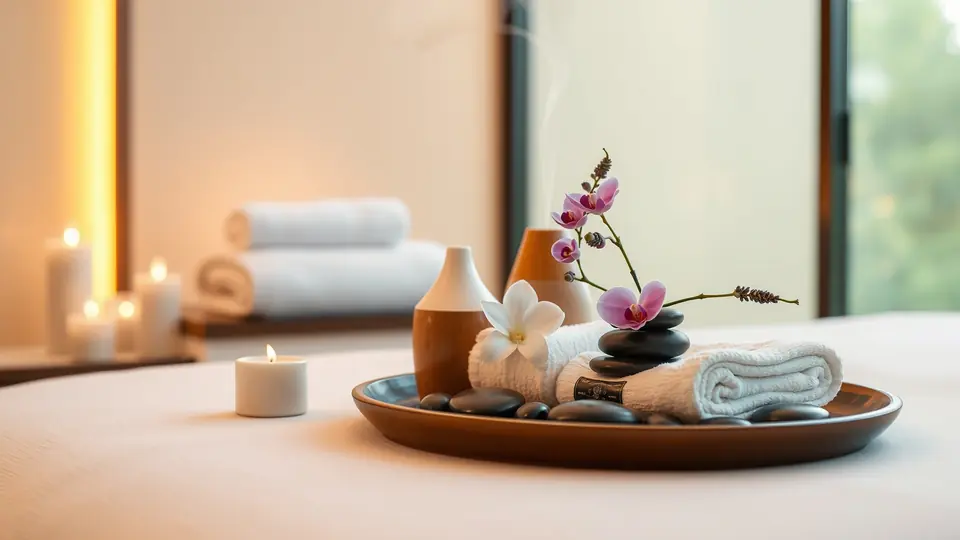
Therapeutic Environment
- Warm, dim lighting that relaxes the eyes
- Ambient music selected for deep relaxation frequencies
- Temperature controlled for your optimal comfort
- Natural aromas of lavender, eucalyptus, or chamomile (according to your preference)
Personalized Technique
Not everyone responds the same way to pressure. Our therapist evaluates your tension level at the beginning of each session and adjusts:
- Pressure intensity
- Movement speed
- Priority focus areas
- Duration of each treatment phase
Deep Relaxation Protocol
Phase 1 — Preparation (5-10 min): Guided breathing while the therapist performs gentle palpation to identify areas of greatest tension and lymphatic congestion.
Phase 2 — Cervical and Facial Drainage (15 min): We begin with the neck and face — where the main lymph node chains are concentrated. This area releases the greatest amount of accumulated tension.
Phase 3 — Full Body Drainage (30-40 min): We cover the entire body following lymphatic routes: shoulders, arms, torso, abdomen, legs. Each movement has a specific purpose.
Phase 4 — Integration (5-10 min): Enveloping movements that close the session, allowing the body to integrate all the work performed. Many clients fall asleep during this phase.
What Our Clients Say
"I travel from Mississippi to Florida just for her. Her hands are magic." — Jamylah W., regular client
"I feel amazing! Very loose. Very relaxed. My body feels brand new." — Enrique C., regular client
"More than a massage — it's an experience that changes you. The feeling of lightness lasts for days." — Angela M., regular client
Long-Term Benefits of Regular Relaxation
People who maintain regular lymphatic drainage sessions report:
- Better sleep quality: They fall asleep faster and sleep more deeply
- Less anxiety: Measurable reduction in perceived stress levels
- More energy: Paradoxically, deep relaxation generates more energy during the day
- Brighter skin: Improved circulation is directly reflected in the skin
- Better focus: A relaxed body allows the mind to function with clarity
When You Need a Relaxation Session
Don't wait until you're "at the breaking point" to take care of yourself. These are signs your body needs professional relaxation:
- You clench your jaw or grind your teeth at night
- You feel constant tension in your neck and shoulders
- You have trouble falling asleep or wake up without energy
- You have frequent headaches with no apparent cause
- Your body feels "heavy" or swollen
- You experience frequent irritability or mood swings
Recommended Frequency
- High stress: 1-2 sessions per week for the first 4 weeks
- Preventive maintenance: 1 session every 2 weeks
- General wellness: 1 session per month
Relaxation isn't a luxury — it's a necessity. Book your session at YC Shalom and discover what it means to feel truly light, rested, and renewed.
